How to Build a Forward View of Bills From Your Statement
Learn how to read your bank statement forward: spot recurring charges and renewal dates, then build next month's bill list before it arrives.
Most people open a bank statement, scan last month's charges, and close the file. That feels responsible, but it leaves next month a mystery. Your statement is not just a receipt. It is also a rough map of what is coming: subscriptions that renew, bills with due dates, and obligations you have already agreed to pay. The problem is that most analysis looks backward. The forward view is sitting there in the same transactions.
In this post, you will learn how to build that forward view from your own statement. We will start with why reviewing last month leaves next month unplanned, then explain what recurring charges and dated obligations actually are. You will see what you need before you begin, how to find transactions that repeat, how to sort predictable obligations from one-off purchases, how to compare your forward list to last month's obligations, and how to spot annual renewals hiding in twelve months of statements. We will also cover keeping the list current without tracking every penny, what this method will miss, and how a categorized statement can make it faster. By the end, you will have a simple monthly habit: read your statement forward, not backward.
Why Reviewing Last Month Leaves Next Month Unplanned
Most of us read a statement the same way. After the month closes, we scan the totals, check a few categories, spot the biggest line items, and close the file. Nothing carries forward.
That is the costly part. A backward review shows you where the money went. The same rows also describe money that has not left your account yet.
Memory is a weak substitute. Rent, loan payments, insurance premiums, annual renewals, and quiet subscription price hikes are easiest to forget right when you need to plan for them.
Treat this as practical guidance rather than a proven finding: recurring charges and dated obligations cover a meaningful share of predictable bills for most households.
Household finances are studied closely. The Fed's SHED survey has been fielded each fall since 2013 and describes households in aggregate. Your statement describes yours.
Want the habit to stick? Pair this with our guide to building good money habits through a monthly statement review.
What Recurring Charges and Dated Obligations Actually Are
Reading forward starts with two categories. Recurring charges (streaming services, gym memberships, phone plans, cloud storage, software subscriptions) and dated obligations (rent or mortgage, loan payments, insurance premiums, utilities on a set billing cycle) both appear as a merchant descriptor, a posting date, and an amount, with the same pattern repeating across two or more months. An abbreviated insurer name on the 14th is the classic shape. For a closer look at that layout, see how to read a bank statement for budget insights.
Annual renewals are what beginners miss most: yearly insurance premiums, annual subscriptions, domain and hosting renewals, warehouse club memberships, and professional or registration fees that post once a year.
The difference that matters: a recurring charge repeats on a rhythm you can estimate, while a dated obligation sits on a date you can write on next month's calendar before the money moves.
Before You Start: What You Need to Read a Statement Forward
Now that you know what to look for, here is what to gather before you start scanning.
At least three consecutive months of statements. Two months can look like a coincidence; three reveal the rhythm and the date window a charge posts within.
Whatever format you already have. Paper statements, PDF downloads, CSV or OFX exports all work. A spreadsheet helps, but the method does not require one. If reading line items is new to you, How to Read Your Bank Statement Step by Step walks through the basics.
A blank calendar or notes file for next month. Each confirmed item goes straight onto a date instead of into a pile of observations.
Your most recent closed month's payment list. This is the baseline you will compare against once your forward list takes shape.
Allow roughly 20 to 30 minutes for your first pass -- adjust based on how many months of transactions you are working through. This is a single sitting, not a new tracking habit to maintain.
With those five in place, you are ready to find the transactions that repeat.
Step 1: Find the Transactions That Repeat
With three months of statements and last month's payment list in front of you, start scanning for repeats.
Look for identical or near-identical merchant descriptors, and mark every month the same descriptor appears. Near-identical matters: a payment processor name, a different city, or a store number tacked onto the end does not mean the charge vanished.
Build one line per merchant with three columns: the date it posted and the amount in each month. Seeing three months side by side makes the rhythm jump out.
Flag anything appearing in all three months as a recurring charge, and write down its typical date window, for example between the 3rd and the 6th. That window is what you will budget around.
In practice, many people find the list shorter than expected -- though this varies by how many services you subscribe to. Fewer entries means less to manage. If statement reading is new to you, this guide to using a bank statement to budget covers the basics first.
Step 2: Sort Predictable Obligations From One-Off Purchases
With your repeating lines in hand, sort them into three groups: true recurring charges, dated obligations with a known due date, and everything else.
Anything that appeared only once in three months is a one-off unless you have a reason to expect it again. A quarterly or annual cycle is usually the only good reason.
For dated obligations, record the due date, not just the amount. The date is what makes a forward list workable.
Then use the amount pattern to judge predictability. A fixed amount, like a loan payment or phone plan, forecasts cleanly. A range, like utilities, needs a working estimate from your last two or three bills.
Set aside anything you cannot classify yet. Forcing a guess onto the list makes the whole list less trustworthy next month.
If you want habits built on patterns like these rather than generic advice, see these budgeting tips that actually work for beginners.
Next, you will check this list against last month's actual payments.
Step 3: Compare the Forward List to Last Month's Obligations
Now the cross-check. Lay your draft list beside last month's actual payments, so gaps surface before they happen rather than after.
Ask three questions per line:
Did I pay this last month?
Is it due again next month?
Has the amount changed since the last bill?
Then hunt the differences that matter: a subscription added mid-month, a payment that was skipped, a bill paid twice, or a due date that shifted.
Adjust for anything added or cancelled since your scan.
Finish with one dated list for next month, ordered by date, with amounts and a short note beside anything you had to estimate. Working from your own numbers is what makes general budgeting tips actually land. Your monthly repeat is handled; the charges that post once a year still need hunting.
Step 4: Mark the Annual Renewals Hiding in Twelve Months of Statements
Pull a full year of statements and make one pass with a single purpose: find charges that appear just once or twice a year. Hunt annual insurance premiums, membership and subscription renewals, software licenses, registration and professional fees, and annual service contracts. These often sit inside the invisible spending categories your budget misses.
Record the renewal month, not just the date. Annual charges usually post in the same month year after year.
Then note cancellation deadlines separately from renewal dates. A notice that arrives after the deadline becomes a charge you cannot avoid.
Keep annual items on a separate long-range list, so your next-month list stays short enough to actually use.
How to Keep the Forward List Current Without Tracking Every Penny
Your long-range renewal list is set. Now the monthly list needs almost no upkeep.
Rebuild it once from the newest statement instead of maintaining a running tracker. The statement is already doing the record-keeping for you. Update only when something actually changes: a cancelled subscription, a new recurring charge, a price increase, or a bill that moved to a different date.
At month's end, compare your estimate with what posted, then adjust the next estimate by the difference rather than starting over. For variable bills, keep amount estimates deliberately rough and treat the dates as the fixed part you plan around.
One more step: put renewal dates on the same calendar you use for appointments, so annual charges never depend on memory.
If you want this review to become automatic, How to Build Better Money Habits Using Your Bank Statement as a Feedback Loop shows how the same monthly pass builds lasting habits.
What This Method Will Miss
Even a list you refresh every month has blind spots. Knowing them keeps you from trusting it too far.
Variable charges. Utilities, fuel, groceries and variable-rate bills never repeat a fixed amount -- your entry is always an estimate.
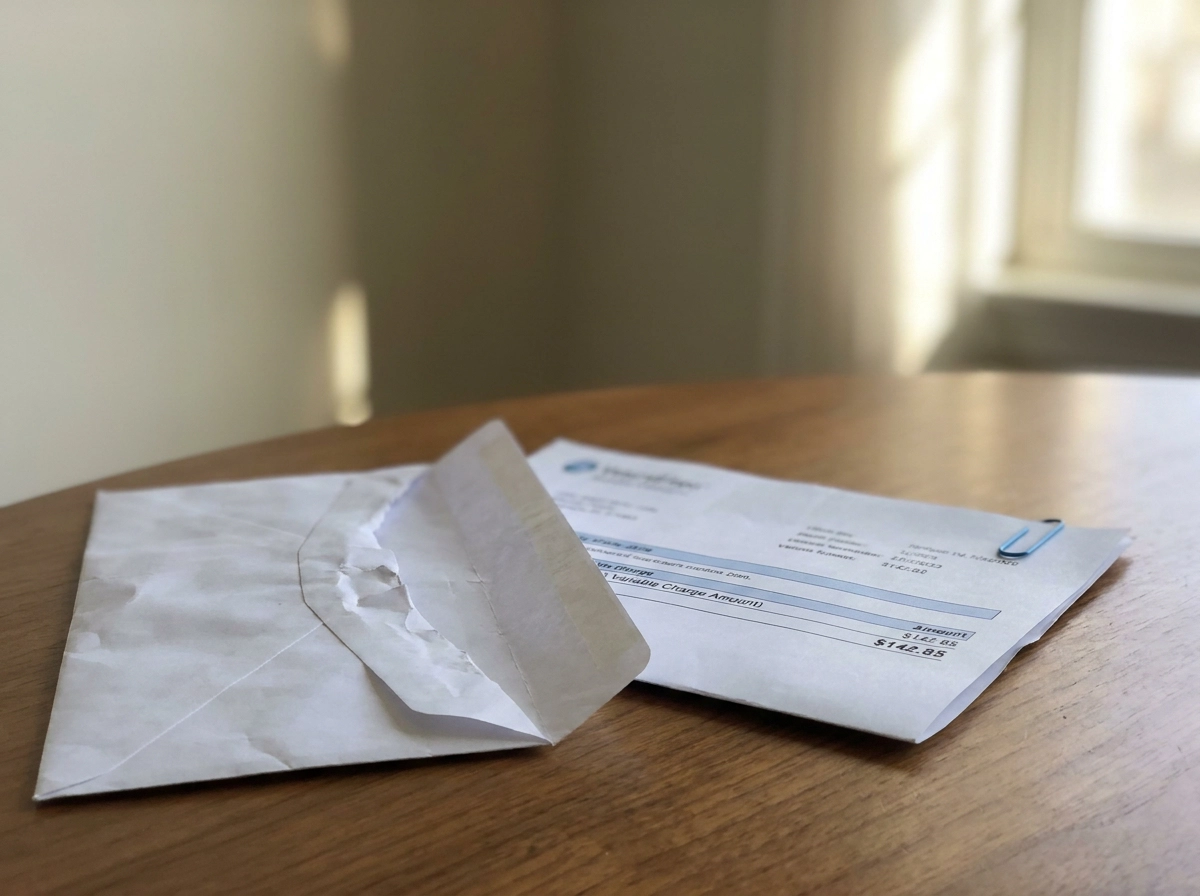
Price changes. A subscription can renew at a higher rate without changing its descriptor or its posting date. The amount you wrote down quietly goes stale.
Cancellations and pauses. A service you cancelled keeps appearing in past months, so it looks recurring until it stops posting.
One-off purchases. Annual car maintenance, travel, gifts and repairs never surface in a recurring scan, yet they still need room in the budget.
Statement lag. Pending transactions, late-posting charges and cash payments may not appear in the months you reviewed. Treat the list as a strong starting point rather than a complete plan.
A short list of known gaps beats a long list you assume is finished.
Doing This Faster From a Categorized Statement
None of that changes the method, but it does raise a fair question: can Step 1 go faster? That step is really just pattern-spotting across months, and it gets easier when a statement is already categorized and searchable rather than a stack of PDFs.
StatementToBudget accepts bank statements in PDF, CSV, XLS and OFX formats. OCR and transaction extraction turn them into categorized budget insights, so repeated descriptors tend to surface together rather than requiring a manual pass through every page of three statements.
Be clear about the division of labor, though: the forward list is still yours to build. StatementToBudget is documented as categorizing and analyzing uploaded statements, not as producing a bill forecast. Use its output as your starting point, not the finished plan.
The service is free to use, so checking whether your own statement makes the repeating lines obvious costs one upload. From there, the steps stay the same; you are just working from a shorter list.
Conclusion: Read the Statement Forward Once a Month
Categorized or not, the real payoff is the list you build, not the file you upload. Start with three months of statements as described above.
Prioritise dated obligations -- the items you cannot move.
The forecast stays partial. Treat dates as firm and amounts as estimates for variable bills, and expect a few charges to surprise you. That is normal, not a failure.
Rebuild from the newest statement monthly, adjusting estimates as you go.
Here is the point: your statement already holds most of what next month will ask for. Reading it forward instead of backward is the only step left.